
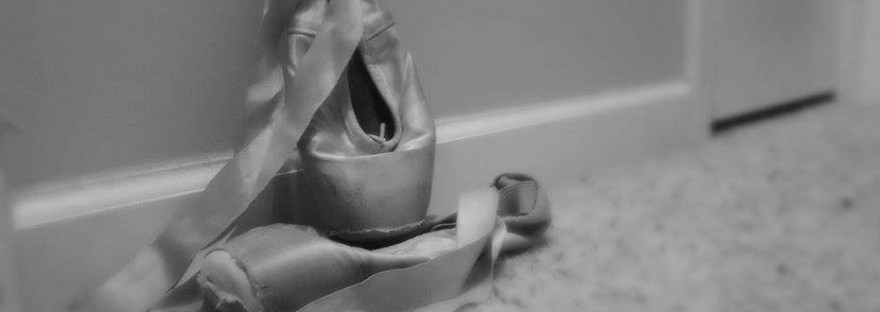
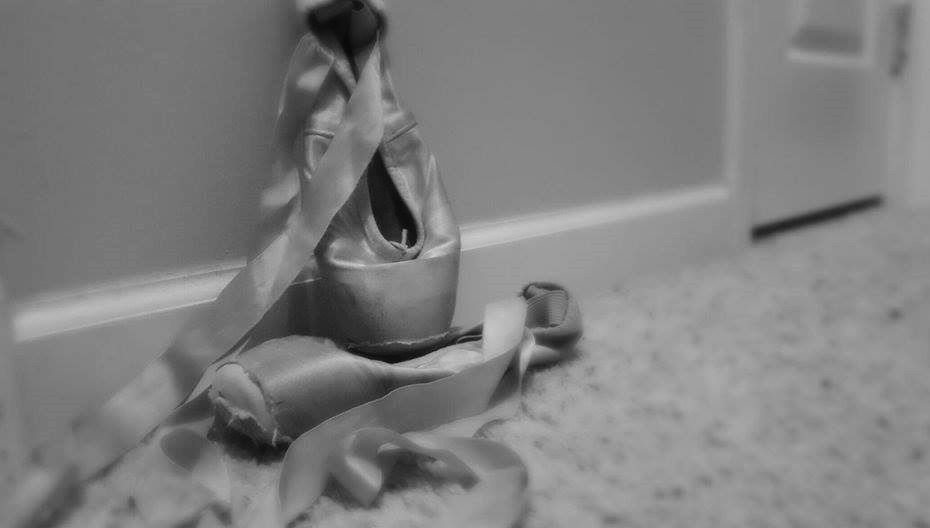
If you posses any form of self-expression, you know what it does to you. You know that transcendental moment when you simultaneously find yourself and lose yourself in a euphoric, consuming abyss from which you dread the return. You know what it feels like to feed a fire and watch it burn beauty and capability and adoration. It’s welding yourself a trophy of passion and granting your own liberty to take it home. For me, this was ballet. My fifteen year stint in this aesthetically pleasing endeavor ultimately gave back to me more than I could have ever imagined.
Today is National Scrapbooking Day, which is a form of art that dates back to the 1800s, and possibly earlier. Anything can be considered art from cooking to gardening to making people laugh. I learned that anything can be art at the Museum of Modern Art in New York City when I saw a video of a man moving his arm back and forth and saying, “This…is…art.” Ralph W. Emerson identified that people should pursue happiness in something, “whether it be to make baskets, or broadswords, or canals, or statues, or songs.” It’s anything that creates tangible or intangible beauty while surrendering the reflection of one’s self. Jeremiah 1:5 says, “‘Before I formed you in the womb, I knew you, before you were born, I set you apart,’ says the Lord.” We are uniquely made and every talent we have comes from God, the Father who loves us.
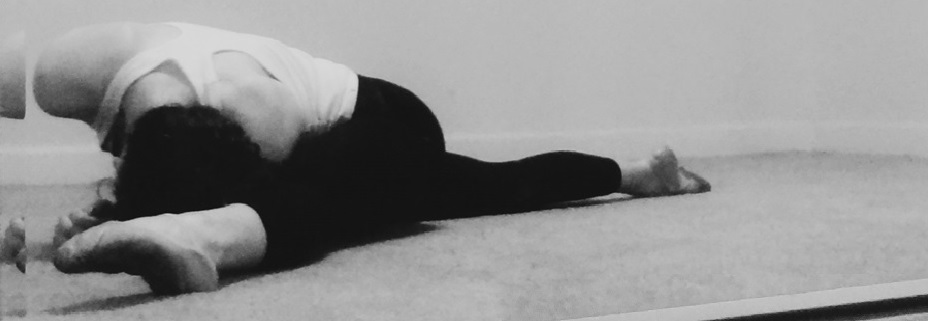
So here are 7 examples of how I looked beyond the bruised toenails and bloodied knuckles and found that ballet, my form of artistry, enriched all aspects of my life:
1) I learned discipline and self-control. There is a right way and a wrong way to do it and an accurate pace to do it within. It taught me that in life, sometimes patience dictates our next move and when we mess up, thinking we had it right, we can give up, or we can find the remedy and use it to cure our mistake.
2) I learned how to use nervousness to my advantage and even better a performance with it. Even as adults, we still find ourselves in places where stage fright and timidity can kick in when we least expect it. It taught me that no one in that audience knows what’s coming up next on stage but me. In job interviews and intimidating circumstances, this philosophy still plays a powerful role. No one knows more about you and what you have done but yourself, and no one should find it easier to discuss than you.
3) I learned how to self-motivate and set goals. Learning combinations and positions and jumps in ballet is no easy feat. In fact, it’s tedious and overwhelming and sometimes defeating, but when you want something bad enough, you invest yourself in it and you become obsessed with it and you make the effort. There is pride that comes with accomplishment that regenerates the cycle to the next complicated piece of choreography that comes along. You make it attainable because you set your goalpost at a reachable place, until you reach it, then you reset your goalpost. This is how “overwhelming” becomes “obtainable.”
4) I learned how good posture gives way to confidence. Poise, grace, elegance – these are terms typically identifiable for ballet dancers and a large part of that is because this form of expression demands the integrity of honoring the correct positions. It’s impossible to do that without having good posture. It leads to better sitting and standing practices, which not only reduces the amount of back pain you would see, but it also sends a message to yourself and to others of self-confidence and how you view yourself.
5) I learned what an escape feels like and how to use the quiet. Dancing was the only time that I could do something and the day’s prior events were laid to rest at the door. It was like a crack formed in the planet, freezing it in time, and my thoughts respected the consolidation of movement with music and were silenced. I learned how to embrace my haven, a quiet calm to reside in, to take refuge in whenever I wanted or needed. This taught me how to reduce my own stress and be free.
6) I learned how coordination, balance and strength facilitate control of the body and its sequential movements. I also learned that eating well contributed to these in the process. Most of our actions demand some type of coordination on a daily basis to ensure a smooth transition and result. A healthy diet makes a world of difference in not only our bodily movement and development but also how we feel each day.
7) I learned how to work for God, how to work as an individual, and how to work as a team. I credit God with giving me the ability to dance. It was not easy, in fact, there were several times I almost gave up. I didn’t because I loved it, but also because I didn’t want to waste something that He handed me, knowing my passion for it. I learned how to build and develop my specific role within the choreography, how to make it work for me, how to make it my own, how to become that part. I also learned how to situate my role within a group ensemble, never outshining my team, but contributing to it, enhancing it, and making our performance the best possible. Learning how to be a team player without getting lost in the crowd is paramount. It says you have the motivation and individuality to enhance your role, while contributing to the prosperity of your team objective.
This is a short list, but a vital one in how my life was forever changed in my form of artistry. If you haven’t found your form of expression yet, try different avenues because eventually you will find the right fit and it will grab hold of you, and wrap itself around you like a tangible dream that you never knew you were having.
God bless,
Megan

 Blue Withens