

When I was in elementary school, I had a teacher who decided from the first week of school that she wasn’t my biggest fan. It’s probably because I talked too much, but she was the first adult in my life that made me feel like I had to recognize a situation where an adult was unkind to me. She talked down to me like I was her problem and not her student, she wouldn’t let me take bathroom breaks, and she humiliated me in front of everyone every single Friday about how I barely made it through the week without talking. She was rude, inconsiderate, and honestly, seemed like she hated her job. It’s one thing to discipline students who talk too much during class, but it’s quite another to tear them down in front of their peers constantly.
About 11 or 12 years later, I was waitressing at a local diner in my hometown, and she and her friend came to have dinner and sat at one of my tables. She smiled and laughed, she talked about how I was one of her favorite students, and she reminisced about how long ago it was and she still remembered so much about me being in her class. Over a decade had passed, and just laying eyes on her reminded me of exactly how she made me feel. I was kind to her, I served her with the best of my abilities because that was my job, but deep down, I’ll never forget how much she hurt me at such a young age, and I couldn’t wait for her to leave so we could drop the whole charade.
I have seen several videos lately, where people warn their internet audience about providing a safe, healthy, wholesome, loving, and nurturing environment for their children and how that underserves them for when they are traumatized by the world once they are on their own. I agree that no one will likely love, treat, or talk to children the way their parents do; however, I also think warning and preparing have two very different meanings here.
I know there are people in the world who will say things that may offend, worry, or provoke insecurity from my kids. I know I can’t wrap them up in a bubble and send them on their way. I know they will feel impacts from others that I cannot control. As a parent, sometimes, that’s the toughest part. Hoping and praying for the best when you have no actual hand in how it turns out. All you can do is raise them to be good people, to do the right thing, to know the right moment, and to trust themselves and their instincts.
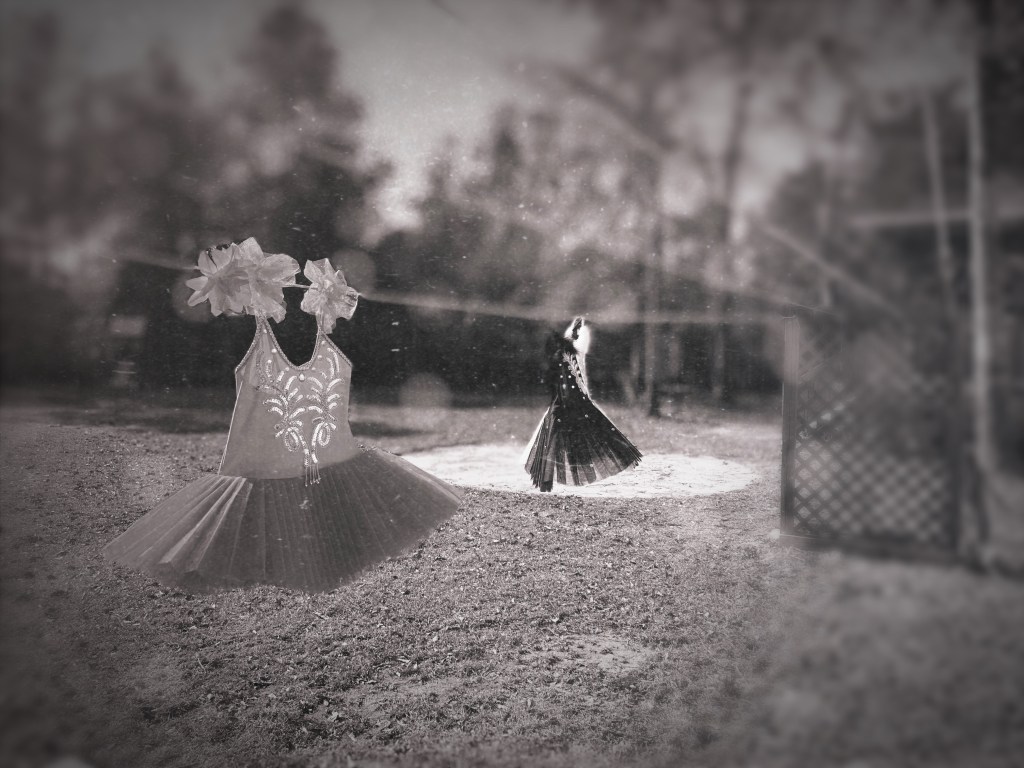
I spent weeks before my daughter’s first dance recital trying to talk her fear down about dancing on stage. She was 4 and nervous because it was new. I tried to tell her everything I thought she’d love about it, everything I loved about it when I was a dancer for nearly two decades, and it didn’t help much. But she did it. She finished her recital, and I was nervous the entire time. When she got off the stage at her recital, she ran to me, wild-eyed and full of excitement.
Her first question was, “Mom, when can I dance on stage again?? Because that was the greatest feeling ever.”
It’s hard to explain emotion because understanding only comes after experiencing it. I think it’s impossible to completely prepare children for what could happen when disappointments come their way. The reason disappointments are such a letdown is because they’re personal. They mean something to someone. They have an impact. I think it’s difficult to really evoke that response from someone who doesn’t actually feel those feelings. Telling a child, “This could happen, and this is how it could make you feel” will never have the same response or impact as an actual experience.
Those feelings that come with heartbreaks, trusting the wrong people, learning how expectation can set you up for the ultimate fall, believing in friends who never saw you the same way, being made fun of, feeling forgotten, being scared when you should feel safe, etc. There is no way to explain heartbreak to someone who hasn’t felt it.
When I look at my life, when I was younger and made investments in people, like relationships and friendships that mattered to me beyond elementary school, I realize now that in many ways, I wasn’t a great communicator at all. In fact, I was mostly just this wound-up series of emotions with arms and legs, and every response was usually led by emotion before any form of pragmatism.
In complete honesty, I cried a lot. Major weeper. I also had a quick reaction rate without even fully listening to what the other person would say to me. My dad used to say, “Stop having so many expectations for people, then you won’t be disappointed so often.” As an adult, I still find that extremely difficult to do. My mom and I argued about things she assumed and I stayed silent over, when I could’ve been more open about what was going on in my head. Sometimes, I still think about those moments and wish I had said something more about how I felt. Maybe things would have gone differently in some of those situations if I had communicated better about the way that I felt.
There’s no way to look at my kids and explain how they need to “get through” situations that may devastate them, how crying so hard you think you may vomit turns into one day and then another, how someone you trust can hurt you like it’s nothing and walk away without another word, how friends you loved betrayed you in ways you still may not understand, how teachers may talk to you like you know nothing, how coaches may treat you like you’re not talented, how classmates may pick you apart based on something meaningless just to hurt you, how supervisors may treat you like you’re not a person, or how manipulation can take many treacherous forms, even from those you trust, and end up costing you the most. I can’t put into words for them how pain can change your ability to recognize yourself in the mirror, or how trauma can bend and break the person you were before it happened to where you can’t even talk about it to anyone. We just know those things because we live them.
On the healing side of that, there’s no way to explain to them what finding God on a bathroom floor looks like, or the gratitude that may come from a neighbor wanting to sit with you in silence while you sob in your dorm room just to make sure you’re okay, how a positive piece of mail from your mom can change your whole month when things are hard, how coping can sometimes take years of your life, how mistakes can change the core of who you are and how you look at life, or how to silence the unnecessary words so you leave room for the ones that matter. I can’t talk them through finding peace when they’re trying to figure out how they ended up eviscerated to begin with, and I can’t tame their trauma for them before they experience it. I can’t logically provide them any rational response to something they’ve never felt. I have to trust in their ability to make decisions and to find meaningful ways through them, even after if they’ve made the wrong ones.
I do think letting your kids know how to recognize a situation where an adult or peer may try to negatively impact their lives, manipulate their perspectives, undermine them, or hurt them in any way is important. I think warning them about the types of people out there who can try to hurt their position in the world, their constitutions, or their ideological capabilities, discriminate against them, try to hurt their reputations, or just affect them on a personal level is important. I think even if you grew up in a home with a healthy environment, you can still experience trauma and develop healthy ways to cope with it.
It’s natural to want better for your children than anything you’ve ever known. It’s the part where you trust them, you trust God, and you have to let go that I’m never going to be prepared for, and when that day comes, I just hope that I’ve taught them well. I hope they know who they are, what they stand for, and if for some reason that changes, I hope they can find their way back to somewhere good.
All your children will be taught by the Lord,
and great will be their peace.”Isaiah 54:13
God bless you on this Thursday night,
M

 Blue Withens